
- Мобильные телефоны:
- Телефон:
- Почтовый ящик:
- Адрес:
- Room 1515, Building 6, West Seat, Building A, Flower Center, No. 4555, Renmin Road, Yuanhe Street, Suzhou, Jiangsu, China
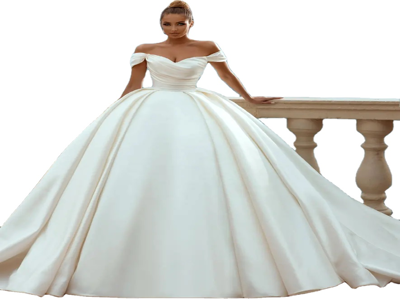
Классическое прямое платье – это не просто предмет одежды, а символ вечной элегантности и стиля, который прошел через десятилетия модных трансформаций, сохраняя свою актуальность и привлекательность. В мире, где тренды приходят и уходят, прямое платье остается неизменной константой, олицетворяя утонченность, женственность и универсальность. Эта статья углубляется в историю, эволюцию и культурное значение прямого платья, исследуя, почему оно продолжает вдохновлять дизайнеров и поклонников моды по всему миру.
Введение: почему прямое платье – это классика
Прямое платье, часто ассоциируемое с минимализмом и чистотой линий, имеет богатую историю, уходящую корнями в начало XX века. Его простота скрывает глубокую сложность: оно способно подчеркнуть фигуру, создать иллюзию стройности и выразить индивидуальность без излишеств. В эпоху быстрой моды, где новизна часто преобладает над качеством, прямое платье напоминает о важности вневременного стиля. Оно подходит для различных случаев – от повседневной носки до официальных мероприятий, делая его незаменимым элементом гардероба современной женщины.
Элегантность прямого платья заключается в его способности адаптироваться к изменениям в моде, сохраняя при этом свою сущность. Дизайнеры, такие как Коко Шанель и Кристиан Диор, сыграли ключевую роль в популяризации этого силуэта, внедряя инновации, которые делали его более доступным и стильным. Сегодня, в век цифровых технологий и глобализации, прямое платье продолжает эволюционировать,incorporating sustainable materials and modern cuts, yet its core appeal remains unchanged: it is a testament to timeless beauty and sophistication.
Исторические корни: от 1920-х годов до современности
История прямого платья начинается в 1920-е годы, эпоху джаза и флэпперов, когда женщины отвергали корсеты и объемные юбки в пользу более свободных и практичных нарядов. Прямое платье символизировало освобождение женщин, позволяя им двигаться свободно и выражать свою независимость. В 1920-х годах дизайнеры, такие как Жанна Ланвен, создавали платья с прямым силуэтом, которые подчеркивали стройность и грацию. Этот период заложил foundation для будущего развития прямого платья, установив его как символ модернизма и прогресса.
В 1950-е годы, с rise of Christian Dior's "New Look", мода shifted towards more feminine and structured silhouettes, but прямое платье не исчезло. Instead, it adapted, becoming a staple for casual and office wear. The 1960s brought a revolution with designers like Mary Quant, who popularized the minidress – a variation of the straight dress that embodied youth and rebellion. This era highlighted the versatility of the straight dress, proving that it could be both conservative and avant-garde.
1980-е и 1990-е годы saw the straight dress evolve into power dressing, with shoulder pads and sharp lines that conveyed authority and confidence. Designers such as Giorgio Armani and Calvin Klein embraced this silhouette, making it a symbol of corporate fashion. In the 21st century, the straight dress has become more inclusive, with variations for all body types and occasions, from red carpet events to everyday wear. Its history is a mirror of social changes, reflecting shifts in gender roles, aesthetics, and cultural values.
Культурное влияние: прямое платье в искусстве и медиа
Прямое платье не только украшало гардеробы, но и стало iconic в поп-культуре. From Audrey Hepburn's little black dress in "Breakfast at Tiffany's" to the minimalist designs worn by celebrities on red carpets, it has been immortalized in film, music, and art. This cultural resonance reinforces its status as a timeless piece, often associated with elegance and glamour. In literature and photography, the straight dress has been used to symbolize purity, modernity, or rebellion, depending on the context.
Moreover, the straight dress has played a role in feminist movements, representing a rejection of restrictive fashion norms. It allows women to define their own style without conforming to societal expectations. In media, it is frequently featured in fashion magazines and blogs, where it is praised for its versatility and ability to make a statement with simplicity. This cultural footprint ensures that the straight dress remains relevant across generations, inspiring new interpretations and adaptations.
Эволюция дизайна: материалы, крой и инновации
Дизайн прямого платья has evolved significantly over the decades, driven by advancements in textiles and changing aesthetic preferences. Early versions were often made from wool or silk, emphasizing durability and luxury. Today, designers use a range of materials, including cotton, polyester, and sustainable fabrics like organic cotton or recycled polyester, to cater to eco-conscious consumers. The cut of the dress has also transformed – from the boxy shapes of the 1920s to the more fitted versions of today that enhance the body's natural curves.
Innovations in technology have allowed for greater customization and comfort. For example, stretch fabrics and adjustable features make straight dresses more accessible to different body types. Designers experiment with details such as asymmetrical hems, bold prints, and embellishments, adding a modern twist to the classic silhouette. Despite these changes, the essence of the straight dress – its clean lines and simplicity – remains intact, proving that good design is about balance between tradition and innovation.
Практические аспекты: как выбрать и стилизовать прямое платье
Выбор прямого платья depends on factors such as body shape, occasion, and personal style. For pear-shaped bodies, a dress with a slight A-line or detailing at the top can balance proportions. For athletic figures, adding a belt or accessories can create curves. Colors and patterns play a key role – neutral tones like black, navy, or beige offer versatility, while bold prints make a statement. When styling, consider the context: pair a simple straight dress with heels and jewelry for evening events, or with sneakers and a denim jacket for a casual look.
Accessories can transform a straight dress from basic to breathtaking. A statement necklace, a chic scarf, or a structured bag can add personality. Layering with blazers or cardigans adapts the dress to different seasons. Ultimately, the goal is to highlight the dress's elegance while expressing individual flair. Investing in quality pieces made from durable materials ensures that the dress will last for years, embodying the principle of slow fashion and sustainability.
Заключение: вечная актуальность прямого платья
В заключение, классическое прямое платье является epitome вечной элегантности и стиля. Его история, культурное значение и адаптивность демонстрируют, почему оно остается must-have в любом гардеробе. As fashion continues to evolve, the straight dress serves as a reminder that true style transcends trends, rooted in simplicity, functionality, and beauty. Whether worn by a flapper in the 1920s or a modern professional, it embodies confidence and grace, making it a timeless treasure for generations to come.
Embrace the straight dress not just as clothing, but as a statement of enduring elegance. Its ability to evolve while staying true to its core principles is a lesson in design and life – that the most impactful things are often the simplest. As we look to the future, the straight dress will undoubtedly continue to inspire, adapt, and captivate, securing its place as an icon of fashion history.
